
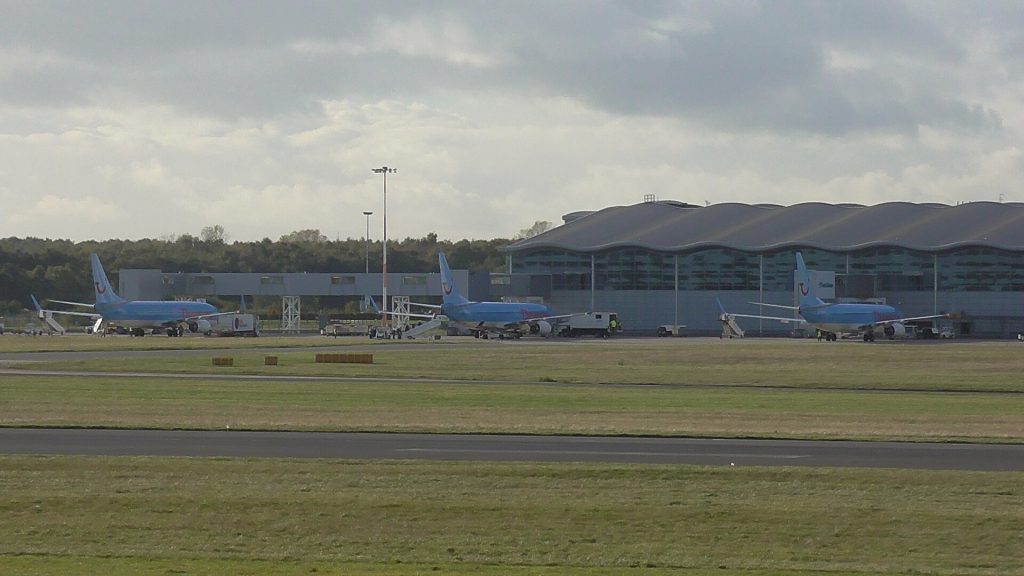
Doncaster Sheffield Airport (DSA) has agreed a £7 million deal with Raytheon UK to supply and install a new air traffic radar system as preparations continue to reopen the site.
The contract with Raytheon UK, an RTX company providing air traffic systems across 45 countries, represents the largest single capital expense during the facility’s pre-opening phase, with installation scheduled for next year.
The airport closed in 2022 after its former owners declared the operation unviable. City of Doncaster Council plans to reopen the site fully by April 2028, with initial freight flights expected to start earlier.
The radar purchase follows the launch of a public consultation regarding flight paths and potential noise impacts associated with proposed arrival and departure routes. DSA currently has more than 80 staff on site and recruited additional personnel to its Air Traffic Services team in July.
In an earlier regulatory development, Doncaster Sheffield Airport passed the first two stages of its Airspace Change Process (ACP) with the Civil Aviation Authority, establishing initial airspace parameters to allow the airport to manage flight routes independently upon reopening. Establishing controlled airspace is required to accommodate commercial airline schedules alongside freight operations. The airport also recently welcomed new recruits to its training simulator for air traffic controller trainees.
Simon Hinchley, executive director for airport operations at the site’s operator FlyDoncaster, said: “Placing this significant order is arguably the most important step in reopening the airport to date and speaks volumes about the intent and sense of direction.”
Raytheon UK director and general manager of services Kevin Hobson said: “This is a critical investment in airport infrastructure that will help deliver safe, efficient and reliable operations.”
Supported by City of Doncaster Council and the South Yorkshire Mayoral Combined Authority, the reopened airport is projected to generate £5 billion for the regional economy by 2050.
Image source: Wikipedia